Polar bears are struggling in all areas of their lives, but scientists hope to prevent extinction by manipulating their genes.

EarthSnap

Rapid warming in the Arctic is changing sea ice in ways that directly affect bears, the region’s top predators. Ice now forms later, melts earlier, and provides a more unstable habitat than it did decades ago. For polar bears, this change disrupts almost every aspect of life, from hunting to movement to reproduction. … Read more
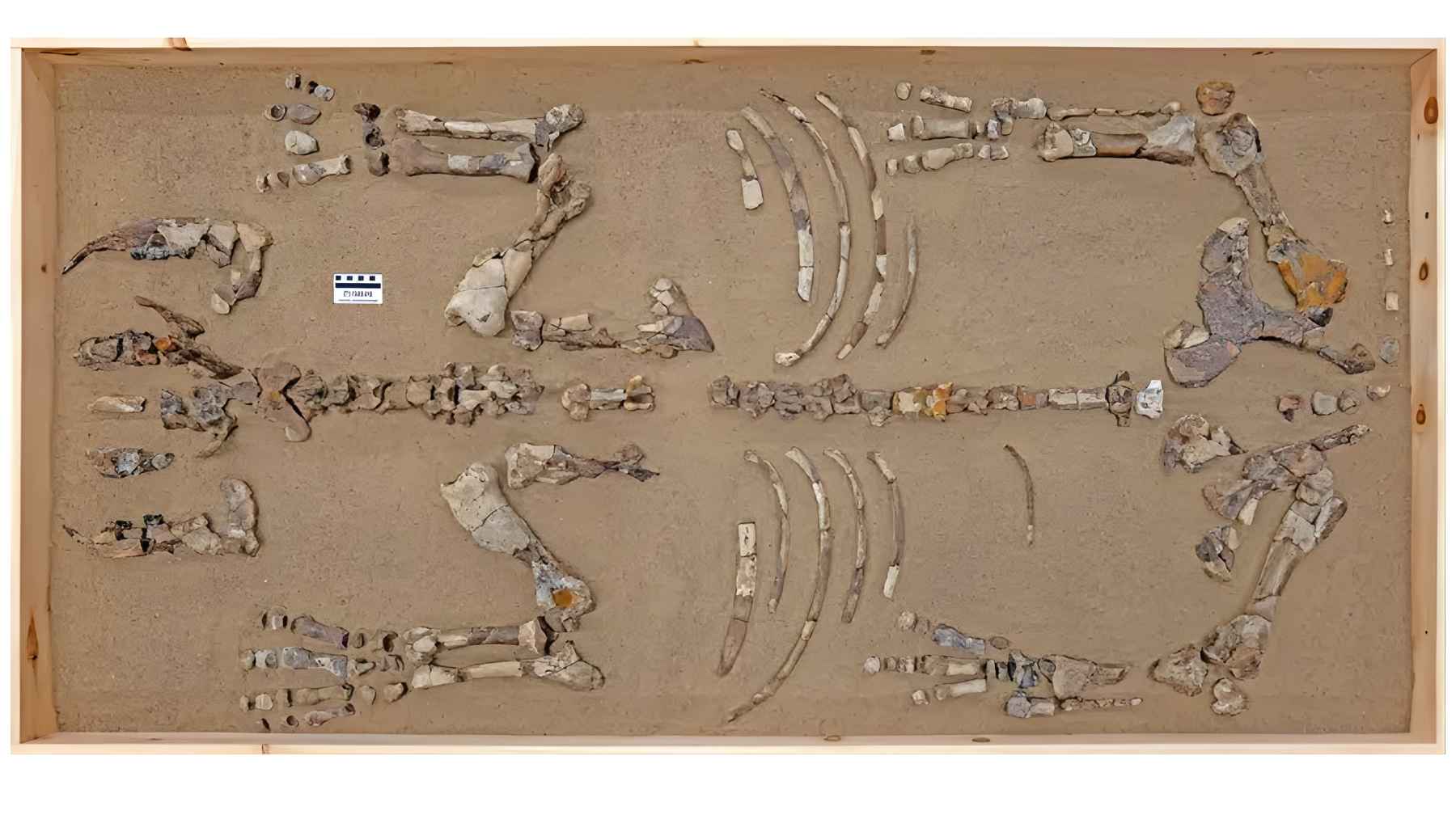
A 23-million-year-old “polar rhinoceros” has been found in Canada’s far north, and the discovery is rewriting its migration routes.

The bones of a 23-year-old polar rhino have been discovered on Devon Island, Canada.

A rhinoceros living in the High Arctic sounds like a reality you misread on a screen in the middle of the night. But paleontologists working on fossils from Devon Island in Nunavut have described a new species that once walked near the surface of the earth, forcing scientists to rethink how animals moved between continents. … Read more