Exomoons can last for billions of years, as long as they have hydrogen atmospheres
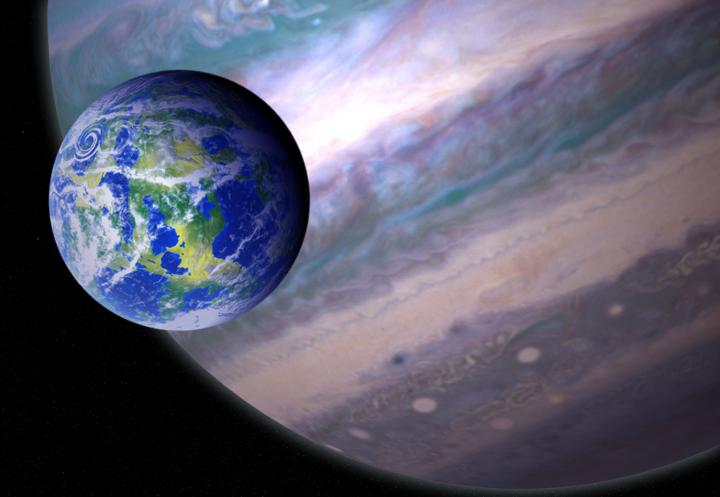
This is an artist's rendering of a habitable exomoon orbiting a giant planet. Credit: NASA GSFC/Jay Friedlander and Britt Griswold

Free-Floating Planets (FFP), also known as “Rogue Planets,” were first discovered in 2000 by astronomers searching the Orion Nebula. Since then, hundreds of FFP candidates have been identified, and scientists predict there may be billions across the Milky Way. This means they outnumber stars by 20 to 1, and habitable planets by 25 or more. … Read more
Scientists Say Mars Has Lost Water During A Period They Thought Was Quiet

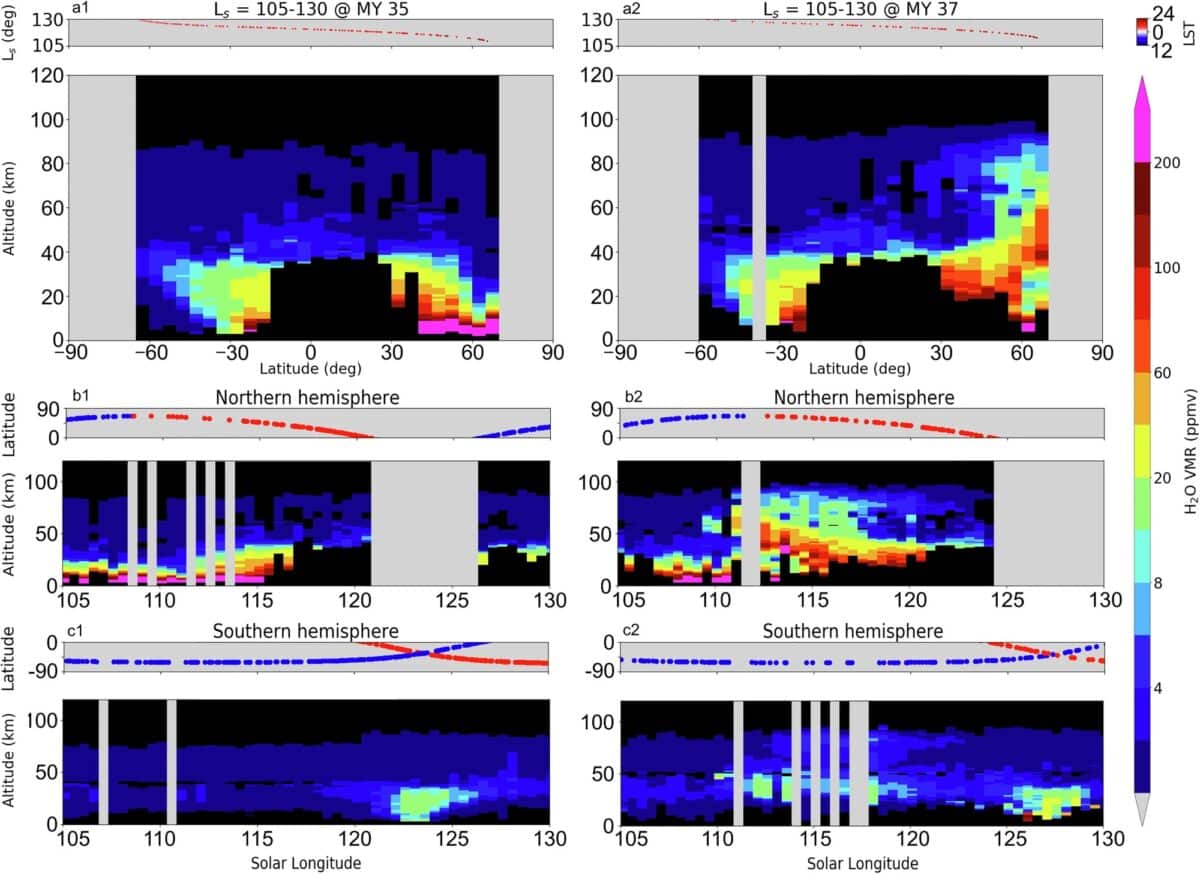
Vertical Variation of Water Vapor on Mars Changes with Time and Latitude

Localized A Martian dust storm revealed a process that scientists had largely ignored. Rather than rare earth events, small storms may push water into the atmosphere more often than expected. Mars is moving forward scars of a wet past. Ancient canals and water-altered minerals point to a time when liquid water was stable at the … Read more

NASA suspends its Moon plan, comet backtracks and other science news

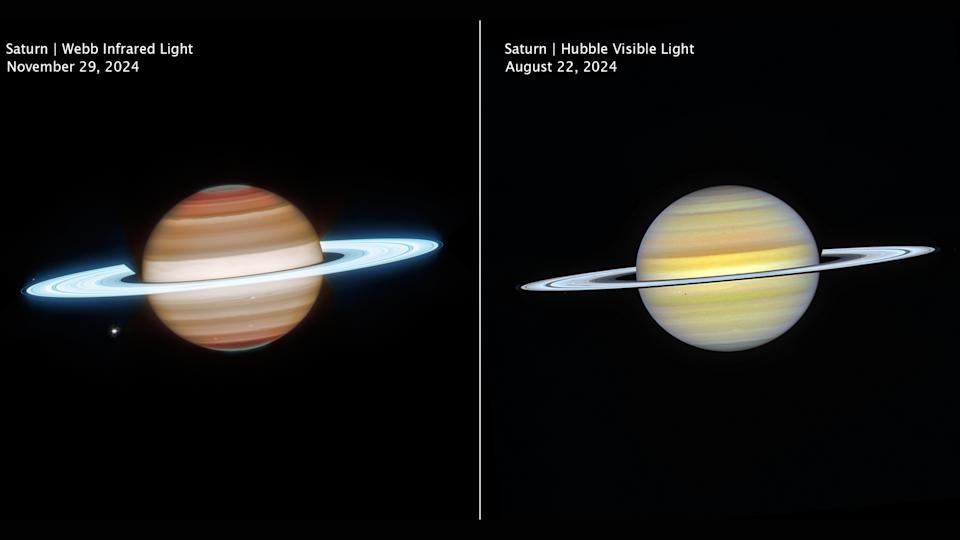
A side-by-side comparison of images of Saturn taken from the Webb Space Telescope and the Hubble Space Telescope.

The first mission of the NASA crew of the Artemis lunar program can begin in a few days, with the launch window to be opened on April 1, and while the preparations continue, the space agency is focusing on its mission to establish a human presence on the moon. NASA has announced major changes to … Read more

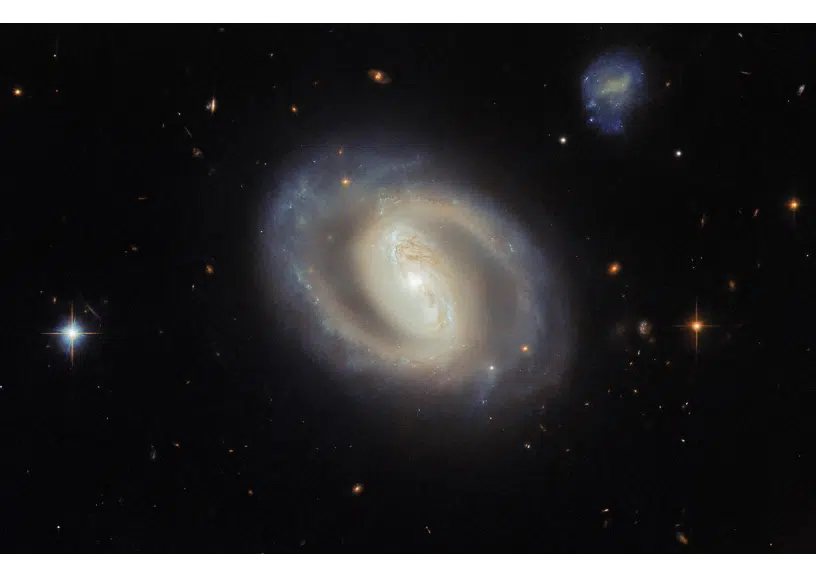
Amazing Hubble Image Reveals Birthplace of Stars in Barred Spiral Galaxy IC 486

Download

Amazing new photo from The Hubble Telescope which reveals the secrets of IC 486The barred galaxy is 380 million light-years away, showing the intense interaction between star formation and the incredible energy of a supermassive black hole. The discovery, which is part of a major investigation by the European Space Agency (ESA), provides unprecedented insight … Read more