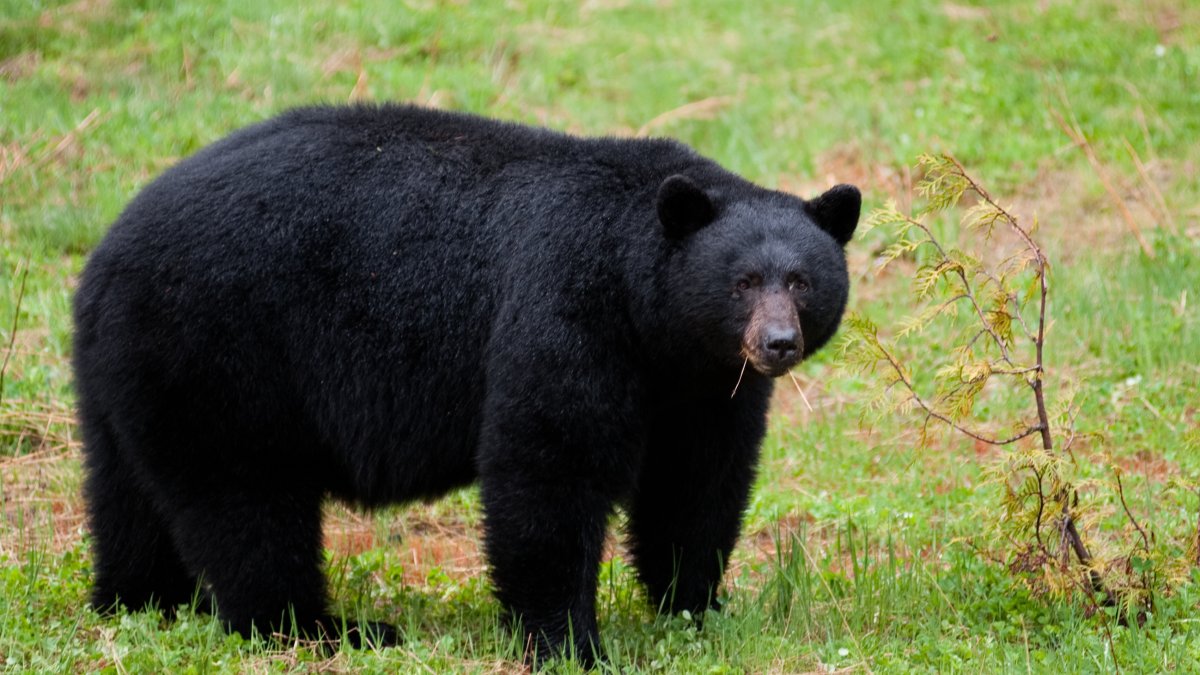
When spring comes around, we’re not the only ones who are wandering around after a long winter.
The New Jersey Department of Environmental Protection (NJDEP) has issued an alert to remind residents that black bears are coming out of their dens and will be looking for food.
Read it in Spanish here.
Officials said it’s important to be “careful” about keeping garbage and other food sources that could attract them.
Black bears have been seen in all 21 New Jersey counties. However, officials say most of the Garden State’s black bears live in the northwest part of the state, especially in Morris, Sussex, Warren, and northern Passaic counties, as well as parts of Hunterdon, Somerset and Bergen.
“We’ve had a long winter, and black bears are coming out of their dens looking for food,” said NJDEP Fish & Wildlife Assistant Director Dave Golden. They have an amazing sense of smell and can smell more than two kilometers away from a food source.
NJDEP has provided a list of ways you can reduce your chances of encountering a black bear:
• Protect litter and eliminate obvious food sources such as pet food bowls, easily accessible bird feeders, and food scraps left on movie theaters.
• Use sealed bear-resistant trash cans when possible. Otherwise, keep all trash in containers with tight-fitting lids and place them close to the inside walls of your garage, basement, sturdy shed, or other secure location.
• Wash garbage containers regularly with a disinfectant solution to remove odors. Dispose of rubbish on collection day, not the night before.
• Avoid feeding birds when bears are active.
• Immediately remove all uneaten food and food bowls used by outdoor-fed pets. Walk dogs on a leash if you live in bear country and keep them indoors or in a secure kennel at night.
• Clean grills and outdoor equipment to remove food and grease residue. Store grills safely.
• Do not place meat, dairy, or sugary foods in compost piles.
• Remove fruit or nuts that fall from trees in your yard.
• Install electric fence correctly as an effective way to protect crops, bees and livestock.
If you encounter a black bear follow these safety tips:
• Stay calm. Never run away from a bear as this may turn them into predators. Instead, slowly back off. Avoid making direct eye contact, which the bear may perceive as a challenge. Make sure the bear has an escape route.
• To scare a bear, make a lot of noise by shouting, whistling, banging pots and pans or blowing an air horn. Make yourself look as big as possible by waving your arms. If you are with someone else, stand together with your hands raised above your head.
• Make the bears aware of your presence by speaking loudly, singing, clapping or making other noises. If you are hiking in bear country, always make your presence known by talking loudly or clapping your hands. Travel in a group if possible.
• If the bear makes a series of sounds, snapping its jaws or pawing the ground, these are warning signs that you are too close. Back away slowly and avoid direct eye contact. Don’t run.
• If a bear stands on its hind legs or approaches, it may be trying to get a better view or smell the air. This is usually non-threatening behavior.
• Black bears will sometimes “fatten up” when they are distracted, threatened or trying to steal food. Stand down, avoid direct eye contact, slowly back away and don’t run.
• If the bear does not move, move to a safe place such as a car or building.
• Families living in areas frequented by black bears should have a “Bear Plan” for children, with an escape route and planned use of whistles and air horns.
• Black bear attacks are very common. If a black bear attacks, fight back.
For more information about black bears in New Jersey, visit dep.nj.gov/njfw/bears/
#warning #issued #Jersey #black #bears #start #coming #dens