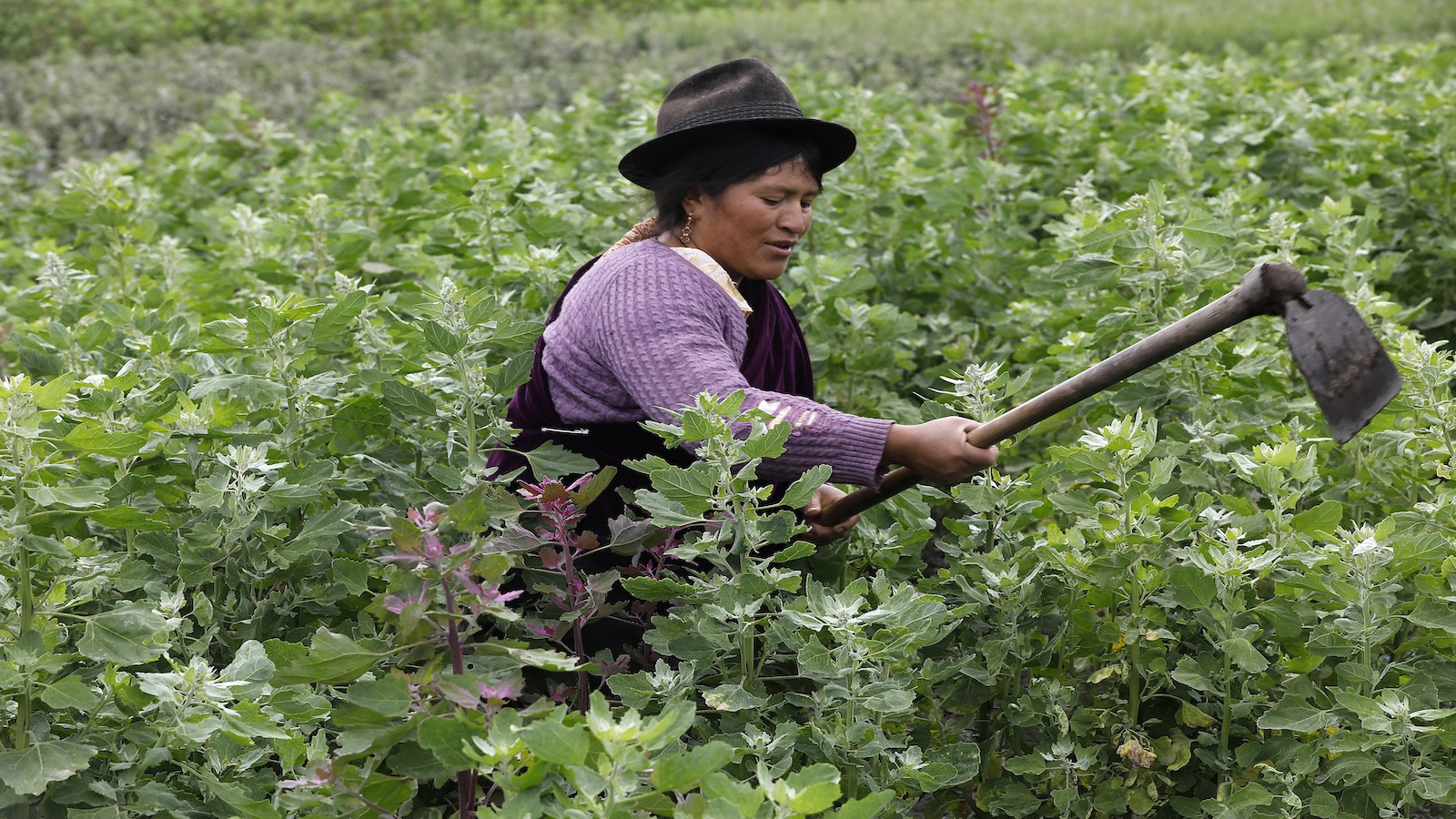
In the past five years, indigenous agriculture has received academic attention as an alternative, albeit on a smaller scale, to modern agricultural systems. Research has shown that some traditional agricultural practices – such as growing corn, beans and squash together – protect soil health, reduce biodiversity loss, and support indigenous knowledge, known as traditional ecological knowledge.
How many of these inputs from traditional agriculture can be successfully translated into large-scale crop production, with little research explaining their economic value, is the question Kamaljit Sangha, an environmental economics researcher at Charles Darwin University, wanted to explore in a new study published earlier this month in the journal Frontiers in Sustainable Food Systems.
“How do we take it where there are universal and multiple values [of Indigenous farming]most of which are hidden in the current way of measuring the importance of these food systems?” said the Sangha.
When examining how many publications include empirical evidence to measure the efficiency and effectiveness of Indian agricultural practices versus conventional agriculture, “there is a gap between advocacy and evidence,” reads the report.
In the study, Sangha and his colleagues found that when they reviewed 49 published research articles on indigenous communities and local communities, known as IPLCs, most of the articles highlighted the benefits of community-based agricultural practices. This comes at an all-time high, as developed agricultural systems around the world are overwhelmed by the dangers of climate change. The study also found a lack of research examining the mass production and decline of IPLC farming, an area Sangha hopes to see more literature on in the near future.
It is estimated that a 35 to 56 percent increase in food production, achieved while stopping the clearing of land for agricultural use, is essential to feed an estimated 10 billion people by 2050. As climate change has emerged as a threat, food producers are looking to these traditional reliable forms of agriculture.
As temperatures rise, climate change reduces biodiversity, altering the nutritional value and health of soil. These effects disrupt global food production and indigenous food systems alike. Currently, food systems are responsible for 26 percent of global greenhouse gas emissions.
Sangha said this analysis cannot be done without acknowledging the impact of colonialism on traditional agriculture. He said: “In countries like Australia, many of the food systems that the indigenous people used in the past have been affected, and in many other countries.” The expansion of “traditional food practices” has led to changes in the diet of Indigenous Peoples and the widespread loss of knowledge needed to pass these practices on to future generations.
This study also argues that integrating these two systems, rather than seeing them as opposites, is necessary to deal with the climate crisis. With government investment and a planned strategy, IPLC agriculture can build a solid wall against threats caused by climate change, while modern agricultural industries can learn from these ancient ways of growing food. Otherwise, both systems face the loss of ecological, economic and cultural resources.
“Beyond market value, IPLC agricultural practices generate many non-market benefits by reducing household costs of food, medicine, fiber and fuel,” the report reads. The analysis suggests that funding and government support can provide larger food producers with a way to deal with the growing problems caused by climate change and the effects of fertilizers on soil health.
In 2024, the United Nations Global Biodiversity Framework Fund accepted an investment to provide 20 percent of its resources to support IPLC’s efforts to improve their lands and conserve biodiversity. However, global commitment to specifically support efforts to preserve traditional food systems is lacking so far.
“If we highlight these non-financial values of these food systems, and they are important for making policy decisions, we hope that this can attract more attention to policy makers and governments to support the food systems of indigenous people and local communities,” Sangha said.
#Modern #agriculture #collapsing #due #climate #change #Indigenous #agriculture #answers